When shopping for healthier pantry staples, more people are asking important questions about how their food is grown, processed, and tested. One topic that has gained significant attention in recent years is glyphosate — and for good reason.
If you have been searching for glyphosate-free flour, you are likely looking for cleaner, safer options for baking, bread-making, or long-term pantry storage. But what does “glyphosate-free” actually mean, and why does it matter?
At Country Life Natural Foods, we believe customers deserve access to wholesome, carefully sourced foods they can feel good about feeding their families.
That is why we are excited to offer Certified Glyphosate Free flour and wheat berries from trusted suppliers like Wheat Montana.
what does glyphosate free mean?
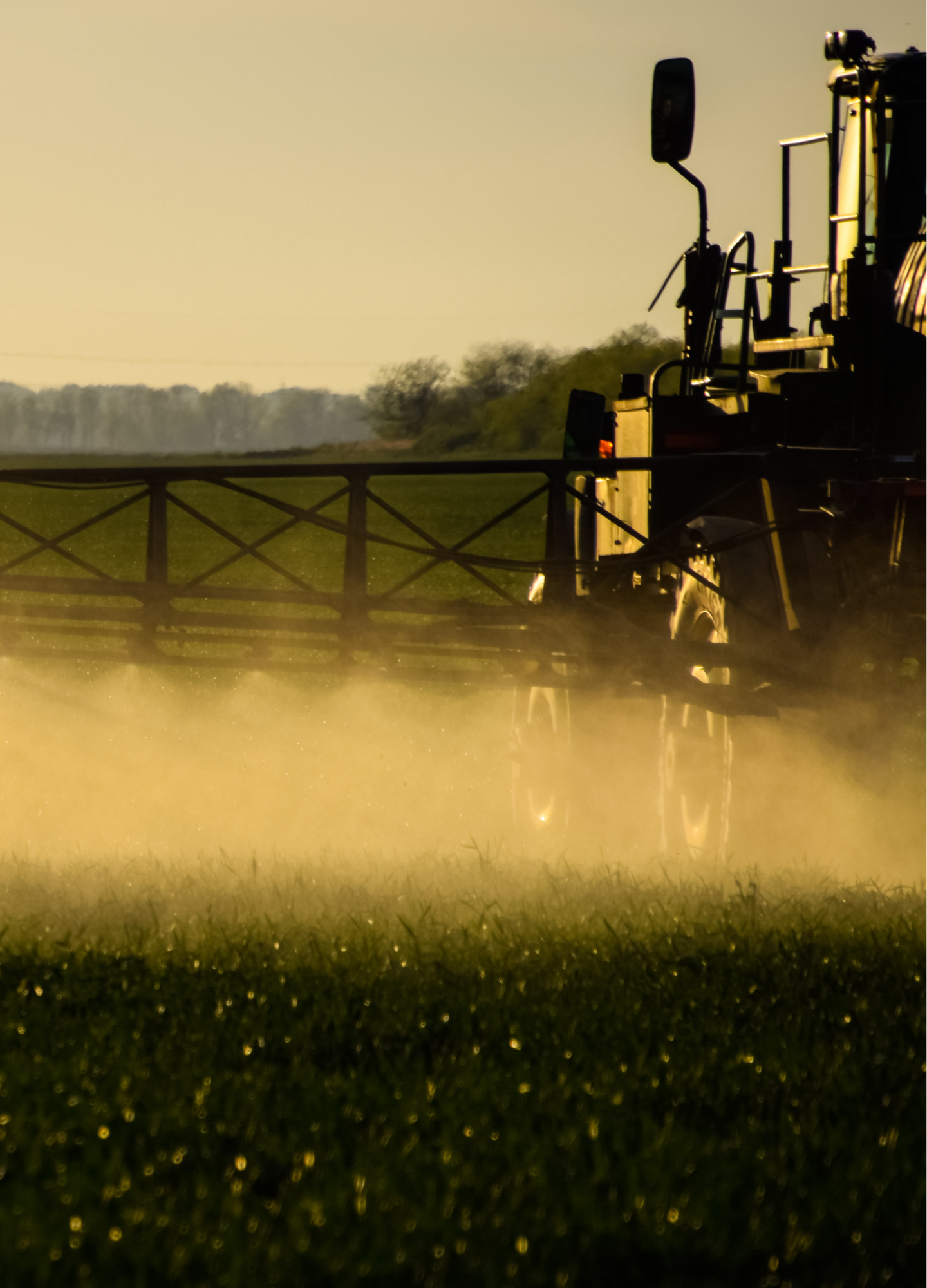
Glyphosate is a widely used herbicide designed to kill weeds and unwanted plants. It is the active ingredient in many weed killers used in conventional agriculture worldwide.
When a product is labeled "glyphosate-free flour" or "glyphosate-residue-free," it means the product has been independently tested to ensure glyphosate residues are either not detectable or are below extremely strict testing limits.
This matters because traces of glyphosate can sometimes remain on crops after harvesting and processing.
Some farmers also use glyphosate as a drying agent before harvest, a process called desiccation, which may increase residue levels in grains such as wheat, oats, and barley.
Certified glyphosate-residue-free products offer consumers additional reassurance that the food they eat has been carefully tested for herbicide residues.
why is glyphosate harmful?
Glyphosate has become one of the most debated agricultural chemicals in the world.
While regulatory agencies differ in their conclusions about safety levels, many consumers choose to reduce their exposure whenever possible.
Research and public concern surrounding glyphosate often focus on:
- Potential long-term health effects
- Concerns about environmental impact
- Effects on soil health and biodiversity
- Possible disruption to gut health and beneficial bacteria
- Chemical residues remaining on food products
Because wheat and grains are staple foods consumed regularly in many households, many people prefer choosing products that undergo additional testing for chemical residues.
For families focused on cleaner eating, whole-food cooking, and healthier lifestyles, choosing glyphosate-free flour can provide greater peace of mind.
What Is Glyphosate Residue Free Certification?
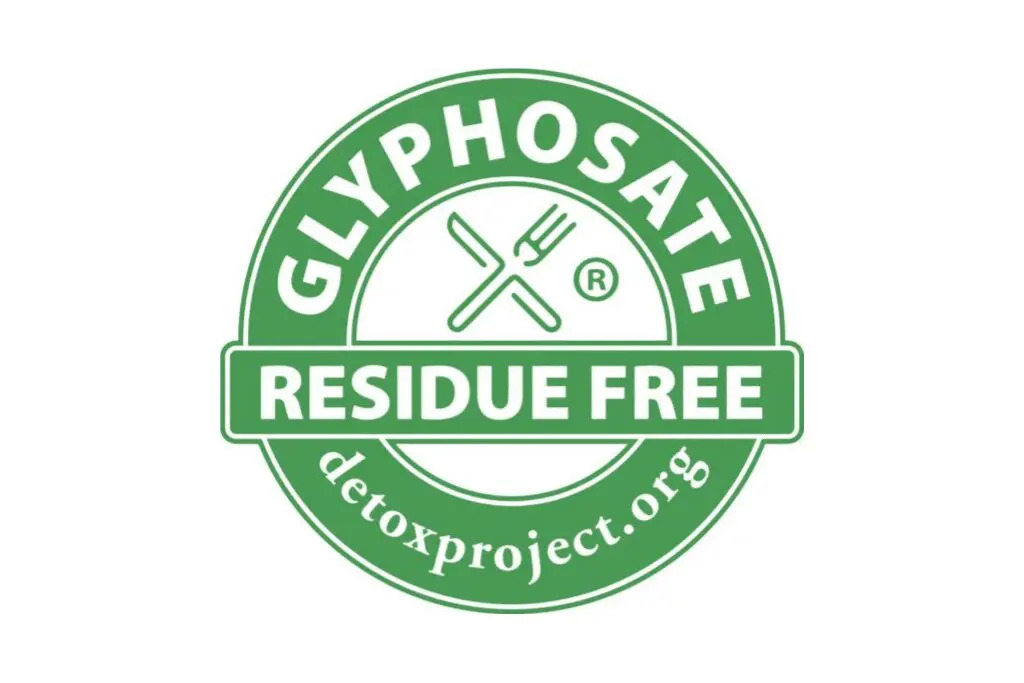
One of the most trusted certifications available today is the Glyphosate Residue Free certification from The Detox Project.
This certification verifies that products do not contain detectable levels of glyphosate residues according to strict testing standards.
The certification process includes:
- Independent laboratory testing
- ISO 17025 accredited laboratories
- Testing down to very low detection limits
- Verification that products fall below strict international standards
To qualify, products must contain no detectable glyphosate residues down to government-recognized limits of detection for food products, usually around 0.01 ppm (parts per million).
This certification is growing rapidly across the United States and internationally as consumers continue seeking more transparency about the foods they purchase.
*Image from Glyphosate Free Certification
How Is Glyphosate Free Different From Organic or Non-GMO?
You may think that USDA Organic or Non-GMO automatically means a product is glyphosate-free. While these certifications are valuable, they are not the same thing.
USDA Organic
Organic certification focuses on farming practices and prohibits many synthetic chemicals during production. However, organic certification does not always require testing of the final product for glyphosate residues.
Because of cross-contamination during transportation, processing, storage, or neighboring farms, even organic foods can occasionally contain trace residues.
Glyphosate Residue Free certification adds another layer of protection because it specifically tests the final product itself.
Read More: Why Choose Organic? Unveiling The Benefits
Non-GMO Project Verified
Non-GMO certification verifies that products do not contain genetically modified organisms (GMOs).
However, non-GMO testing does not specifically test for herbicides or pesticide residues.
Glyphosate-free certification fills that gap by focusing directly on chemical residue testing.
Why This Matters
These certifications can work together rather than replace one another.
A product can be Organic, Non-GMO, and glyphosate residue-free, and together, these standards can provide you with additional confidence about the quality and purity of your food!
Read More: Are Non-GMO Foods Healthier? 6 Reasons We Believe So!
Glyphosate Free Flour and Wheat at Country Life Natural Foods
At Country Life Natural Foods, we are committed to offering wholesome foods from trusted local suppliers who share our values for quality, freshness, transparency, and affordability.
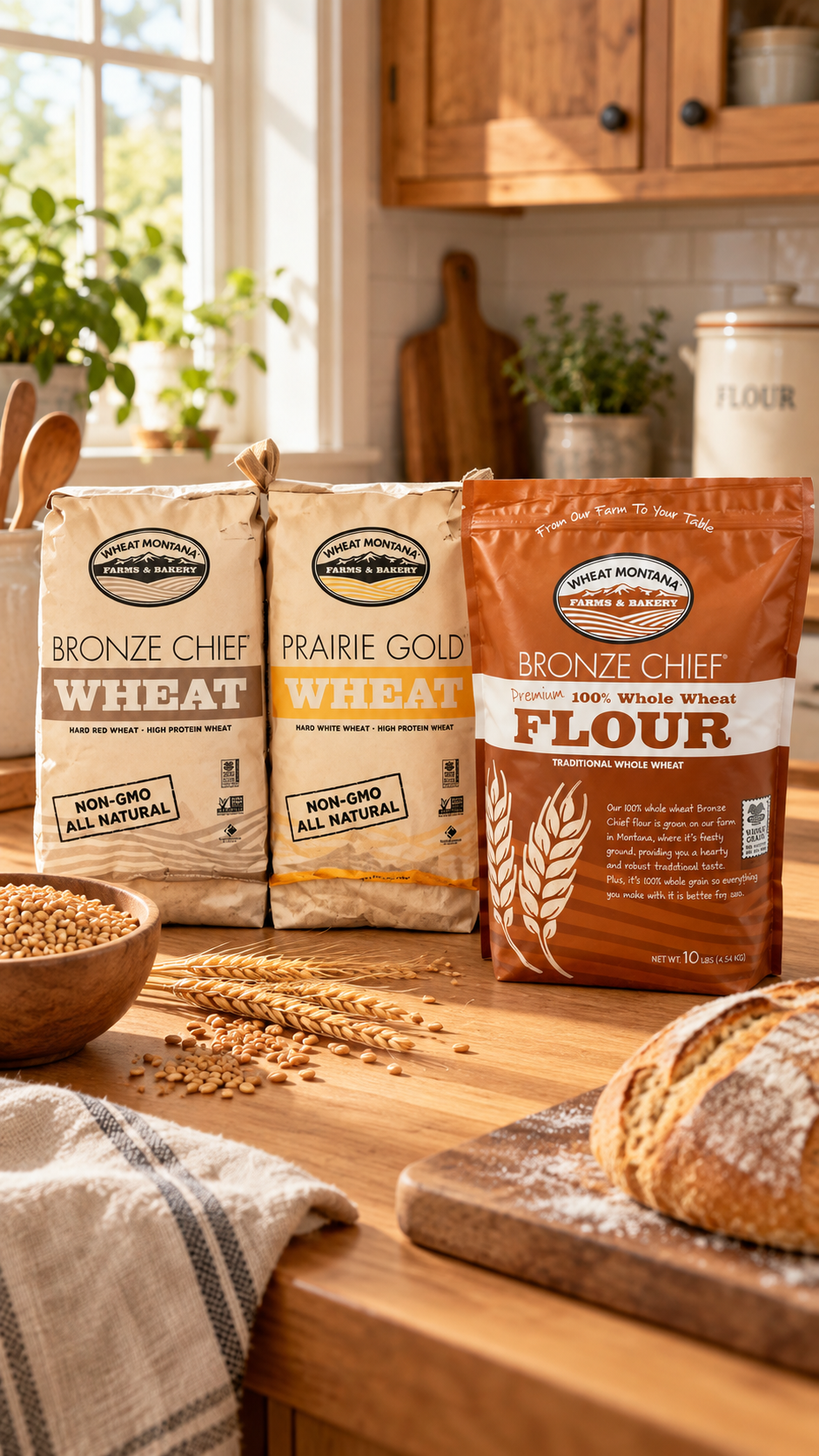
One supplier we are proud to partner with is Wheat Montana, known for producing high-quality wheat products with exceptional care and testing standards.
Wheat Montana’s Certified Glyphosate Free Products
We currently offer several Certified Glyphosate Free products from Wheat Montana, including:
- Bronze Chief Flour
- Bronze Chief Wheat Berries
- Prairie Gold Flour
- Prairie Gold Wheat Berries
- Spelt Berries
- Spelt Flour
- Hard Red Winter Wheat
These products are excellent choices for:
- Fresh home-milled flour
- Homemade bread baking
- Sourdough baking
- Long-term food storage
- Health-conscious families
Why More Families Are Choosing Glyphosate Free
Consumers today are paying closer attention to ingredient quality and food sourcing than ever before. Choosing glyphosate-free flour and wheat is one way families are taking a more intentional approach to what they keep in their kitchens.
Whether you bake bread weekly, grind your own wheat berries, or simply want cleaner pantry staples, certified products can help you feel more confident about the foods you serve.
As awareness continues growing, we are grateful to offer products that support healthier homes, better transparency, and more thoughtful food choices.
Research & Further Reading on Glyphosate
Over the years, numerous studies and scientific reviews have examined the potential health and environmental concerns surrounding glyphosate exposure.
Here are several respected resources and published reviews for further reading:
- International Agency for Research on Cancer (IARC) – Glyphosate Classification
In 2015, the World Health Organization’s IARC classified glyphosate as “probably carcinogenic to humans” (Group 2A). - NIH Published Review: Toxic Effects of Glyphosate on the Nervous System
A scientific review discussing potential neurological effects associated with glyphosate exposure. - Overview of Human Health Effects Related to Glyphosate Exposure
A 2024 review examining research related to glyphosate exposure and possible human health risks. - Environmental Health Review on Glyphosate Exposure
Research reviewing environmental contamination, exposure pathways, and ecological concerns related to glyphosate-based herbicides. - The Evidence of Human Exposure to Glyphosate: A Review
A review summarizing research on glyphosate exposure in both occupational and general populations. - UC Berkeley Public Health Research on Childhood Glyphosate Exposure
Research exploring potential links between childhood glyphosate exposure and later health outcomes.