

Por qué las semillas de girasol merecen un lugar en tu despensa: ¡nutrición, beneficios y usos!

shine bright like a sunflower!
Thanks to their excellent nutrition and health benefits, sunflower seeds will have you feeling all bright and shiny!
Some of the most useful ingredients in your kitchen are also the simplest. Take sunflower seeds, for example. They're affordable, easy to keep on hand, nutritious, and can be used in so many more ways than you might think.
A handful can add crunch to your morning oatmeal, turn an ordinary salad into something special, or become the base of a creamy, dairy-free dressing. You can blend them into pesto, bake them into homemade bread, or toast them for a quick, savory snack.
Whether you've got a bag sitting in your pantry or you're looking for more affordable alternatives to nuts, here's everything you need to know about how to use sunflower seeds, which kind to buy, and how to keep them fresh.
Explore our selection of raw, organic, and roasted sunflower seeds, and discover just how much you can do with this humble pantry favorite!
raw vs. roasted sunflower seeds
You might have noticed raw, roasted, salted, and unsalted sunflower seeds on grocery store shelves. While they're all from the same plant, the way they're prepared makes a difference in how you use them.
Raw sunflower seeds
Raw sunflower seeds have a mild, slightly nutty flavor and a softer texture than roasted seeds. They're especially versatile because you can use them as they are, blend them into recipes, or roast them yourself.
Best for:
- Making homemade sunflower seed butter
- Blending into creamy sauces, dressings, and dips
- Baking bread, muffins, and crackers
- Making homemade granola and energy bites
- Adding to smoothies and oatmeal
If you do a lot of cooking from scratch, raw sunflower seeds are probably the most useful variety to keep in your pantry.
Roasted sunflower seeds
Roasting brings out a deeper, nuttier flavor and gives sunflower seeds a satisfying crunch.
They're ideal for sprinkling over meals or enjoying straight from the bag.
Best for:
- Topping salads and grain bowls
- Adding crunch to soups and roasted vegetables
- Making trail mixes
- Snacking
Roasted, unsalted sunflower seeds are a versatile choice because you can add your own seasonings without making a dish too salty.
Salted vs. unsalted sunflower seeds
Salted sunflower seeds are convenient for snacking, while unsalted varieties give you more control over the flavor of your cooking and baking.
For sweet recipes, creamy sauces, or dishes where you're already adding seasoning, unsalted sunflower seeds are generally the better choice.
One more thing: Most recipes call for hulled sunflower seeds, meaning the hard outer shells have already been removed. If you're buying sunflower seeds in their shells, you'll need to remove the shells before eating the kernels or using them in recipes.
8 ways to use sunflower seeds in everyday cooking
Now for the fun part!
Sunflower seeds are one of those ingredients that can make simple, everyday meals a little more interesting without much extra effort.
Here are eight easy ways to use them.
1. Sprinkle them over your breakfast
One of the easiest ways to enjoy sunflower seeds is to add a tablespoon or two to your breakfast. They work beautifully in:
- Warm oatmeal or overnight oats
- Homemade granola
- Smoothie bowls
- Plant-based yogurt with fresh fruit
- Breakfast muffins
Try adding sunflower seeds to a bowl of oatmeal with sliced bananas, cinnamon, and a drizzle of maple syrup.
For extra flavor, lightly toast the seeds before sprinkling them on top.
2. Add crunch to salads and grain bowls
A good salad needs a little contrast, and sunflower seeds are perfect for that.
Their mild, nutty flavor pairs well with leafy greens, roasted vegetables, grains, and creamy dressings.
Try sprinkling roasted sunflower seeds over a salad made with spinach, roasted sweet potatoes, quinoa, dried cranberries, and a simple lemon vinaigrette.
They're also a wonderful addition to grain bowls made with brown rice, farro, millet, or quinoa.
3. Make creamy, dairy-free dressings and sauces
Did you know sunflower seeds can be blended into wonderfully creamy sauces?
When soaked and blended with water, they create a smooth base that works well in dressings, dips, and pasta sauces.
Try this simple sunflower seed dressing:
- ½ cup raw, hulled sunflower seeds, soaked and drained
- ½ cup water, plus more as needed
- 2 tablespoons fresh lemon juice
- 1 small garlic clove
- 1 tablespoon olive oil
- Salt and pepper, to taste
Blend until smooth and creamy, adding a little extra water until it reaches your preferred consistency.
For easier blending, soak the seeds in the refrigerator for 4 hours, or cover them with boiling water and let them stand for about 20–30 minutes before draining. The texture will depend on your blender.
4. Bake them into homemade bread and muffins
Sunflower seeds add subtle nutty flavor and a pleasant texture to homemade loaves, especially whole wheat, multigrain, and sourdough bread. You can:
- Mix sunflower seeds directly into bread dough.
- Sprinkle them over the top of a loaf before baking.
- Add them to homemade crackers.
- Fold them into savory muffins.
- Use them in homemade granola bars.
Baking tip: If you're using sunflower seeds as a bread topping, gently press them into the dough before baking so they stick.
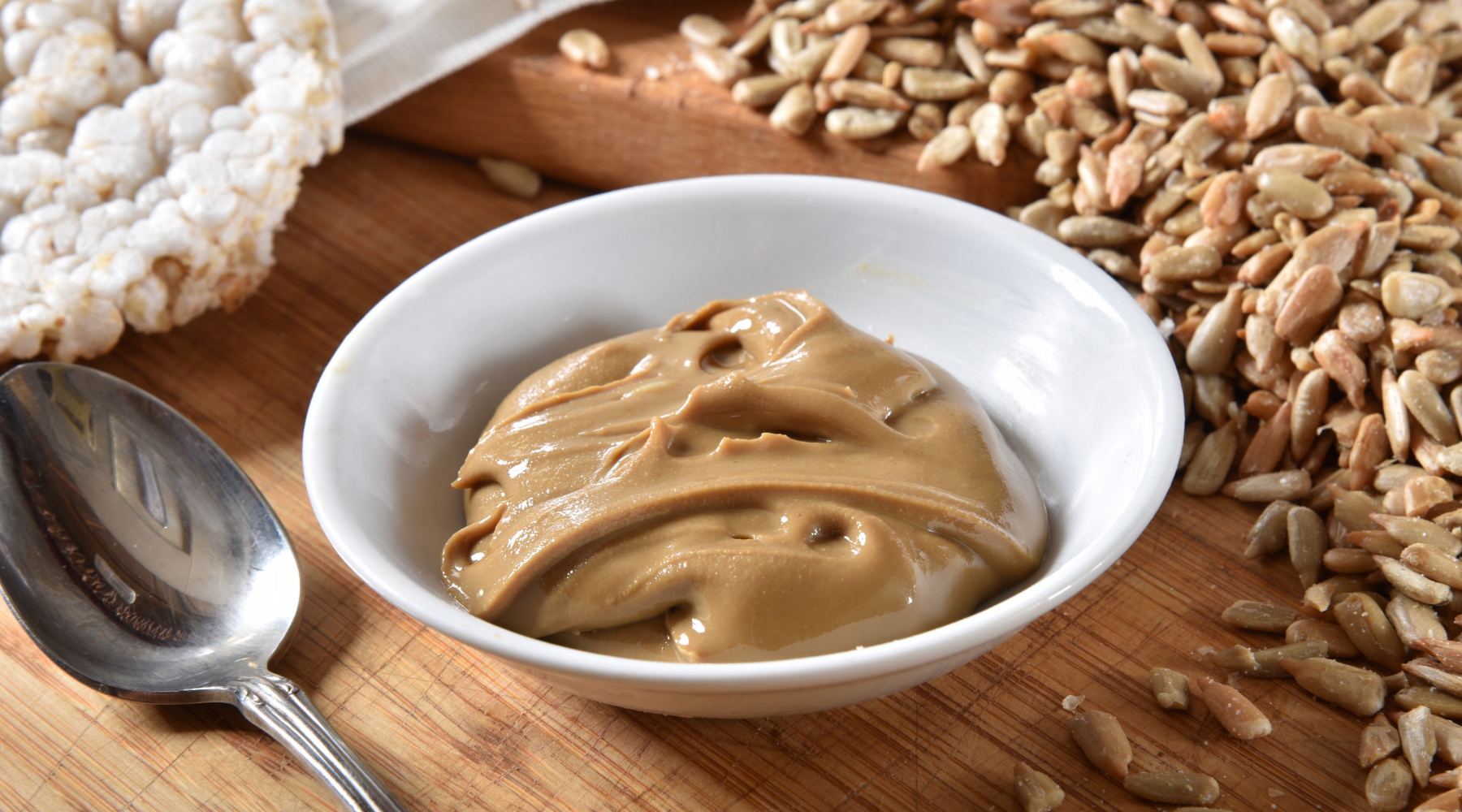
5. Make homemade sunflower seed butter
Sunflower seed butter is a delicious spread made by blending roasted sunflower seeds until they release their natural oils and become smooth and creamy.
It's wonderful on toast, stirred into oatmeal, spread over apple slices, or used in homemade energy bites.
How to make it:
- Add 2 cups of roasted, unsalted, hulled sunflower seeds to a strong food processor.
- Blend, stopping occasionally to scrape down the sides.
- The seeds will first become a coarse meal, then a thick paste, and eventually a smoother butter as their natural oils are released.
- Continue processing until you reach your preferred consistency.
- Add a pinch of salt if desired.
Depending on your equipment, blending may take 10–20 minutes or longer. Pause as needed to prevent the motor from overheating. A small amount of neutral-flavored oil can help if the mixture remains too thick.
6. Use them instead of pine nuts in pesto
Traditional pesto is often made with pine nuts, but sunflower seeds make a wonderful, more economical substitute.
Their mild flavor blends beautifully with fresh basil, garlic, olive oil, and lemon juice. The result is a delicious sauce that can be tossed through pasta, spread on sandwiches, or drizzled over roasted vegetables.
Storage tip: Keep your pesto in the refrigerator and use it within 3–4 days. For longer storage, freeze in small portions using an ice cube tray.
7. Sprinkle them over soups and roasted vegetables
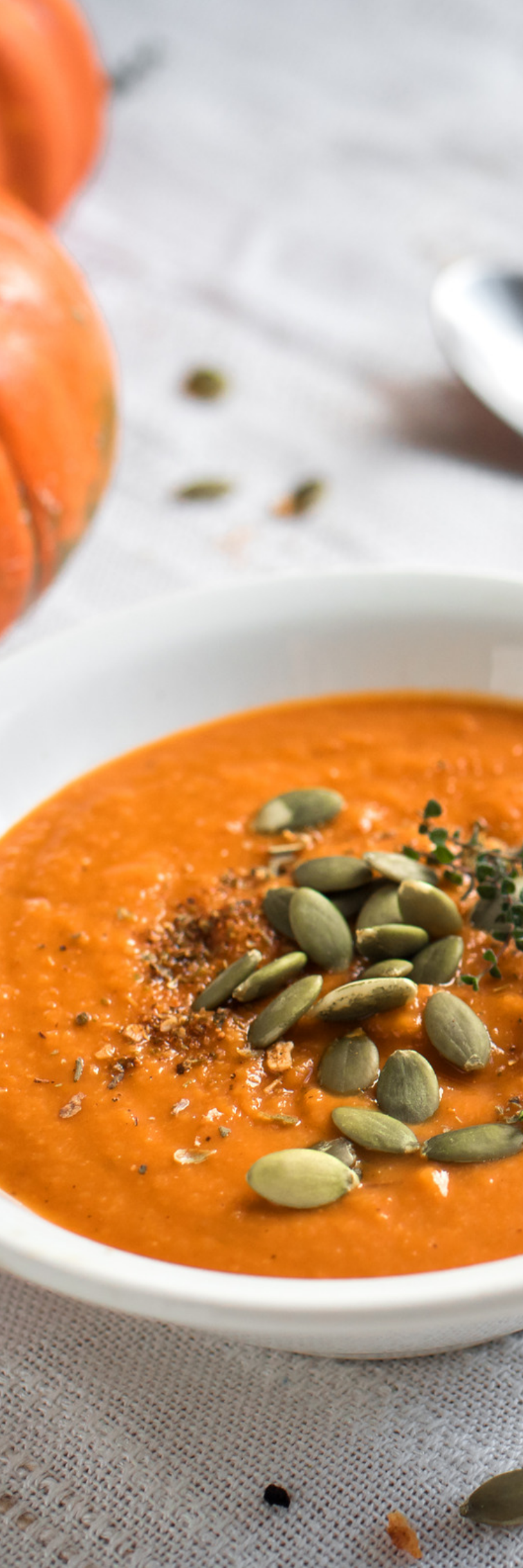
Try adding toasted sunflower seeds to creamy pumpkin soup, roasted cauliflower, sweet potato wedges, or sautéed greens.
They add a lovely crunch, particularly to softer dishes.
You can also make a quick savory sunflower seed topping by tossing the seeds with a little olive oil, smoked paprika, garlic powder, and salt before roasting.
8. Make your own trail mix and homemade snacks
Sunflower seeds are a great addition to homemade snacks, especially when you want something easy to prepare in bulk.
Mix roasted sunflower seeds with ingredients like:
- Pumpkin seeds
- Raisins or dried cranberries
- Almonds or cashews
- Unsweetened coconut flakes
- Dark chocolate chips
You can also add sunflower seeds to homemade energy bites made with oats, dates, and nut or seed butter.
we think you'll love this recipe!
how to roast sunflower seeds at home
If you have raw sunflower seeds on hand, roasting them yourself is an easy way to bring out their natural flavor.
Oven-roasting method
- Preheat your oven to 325°F (165°C).
- Spread raw, hulled sunflower seeds in a single layer on a baking sheet.
- Roast for approximately 8–12 minutes, stirring halfway through.
- Keep a close eye on them toward the end, as sunflower seeds can go from golden to burnt quite quickly.
- Remove them when lightly golden and fragrant, and allow them to cool completely before storing.
Stovetop method
For smaller quantities, simply add sunflower seeds to a dry skillet over medium-low heat.
Stir frequently for about 3–5 minutes until lightly golden and fragrant, then immediately transfer them to a plate to cool.
Seasoning ideas
Once roasted, sunflower seeds are delicious on their own, but you can also experiment with different flavors.
- Savory: Toss with a little olive oil, garlic powder, smoked paprika, and sea salt.
- Sweet: Add cinnamon and a little maple syrup before baking, spreading the seeds out well and watching carefully to prevent burning. Allow them to cool so the coating can firm up.
- Spicy: Combine with a touch of olive oil, chili powder, cumin, and a pinch of salt.
Frequently Asked Questions About Sunflower Seeds
Can you eat sunflower seeds raw?
------Yes! Raw, hulled sunflower seeds can be eaten straight from the bag or added to oatmeal, smoothies, salads, and baked goods. Roasting is optional and mainly changes their flavor and texture.
do you need to soak sunflower seeds first?
------No, sunflower seeds don't need to be soaked before eating.
However, soaking can soften them, making it easier to blend them into smooth dressings, sauces, and creamy spreads. Drain and rinse soaked seeds before using them, and keep longer soaks refrigerated.
sunflower seeds instead of nuts in recipes?
------Sunflower seeds work particularly well as a replacement for pine nuts in pesto or cashews in some creamy sauces. You can also use them in granola, homemade snack bars, and certain baked goods.
Keep in mind that sunflower seeds have a different flavor and fat composition from nuts, so the texture and taste may change slightly.
can I bake with sunflower seeds?
------Sunflower seeds can be added to bread dough, muffins, crackers, cookies, granola bars, and other baked goods.
One interesting thing to know is that sunflower seeds can sometimes turn green when baked with baking soda. This happens because natural compounds in the seeds react in an alkaline environment.
The color change is generally harmless, although it can look surprising!
can you freeze sunflower seeds?
------Yes, and freezing is a great way to store sunflower seeds for longer periods.
Keep them in a well-sealed, freezer-safe container or bag to protect them from moisture and odors.
You can usually use frozen sunflower seeds directly in baking and many cooked recipes without thawing them first.
are sunflower seeds healthy?
------Yes! Sunflower seeds are a nutritious addition to a balanced diet. They're rich in healthy unsaturated fats, plant-based protein, fiber, and essential nutrients like vitamin E and magnesium. These nutrients help support heart health, normal digestion, and overall well-being. However, sunflower seeds are also relatively high in fat and calories, so it's worth being mindful of portion sizes. A small handful a day is a great way to enjoy their nutritional benefits.




Comments